5 Warning Signs Your Child Might Need a Night Guard
The image of a peacefully sleeping child is one of the most comforting sights for any parent. However, if you step closer to your child’s bed and hear a harsh, rhythmic scraping sound, that peaceful image can quickly turn into a source of worry. Childhood bruxism—the medical term for clenching or grinding teeth—is an incredibly common condition that affects a significant percentage of toddlers and adolescents alike. While some children eventually outgrow the habit without intervention, others experience severe friction that can quietly damage their developing adult smiles.
When left unaddressed, this nocturnal habit can lead to long-term structural harm, chronic discomfort, and even behavioral shifts due to poor sleep. Fortunately, pediatric dentists can intervene by introducing specialized dental accessories designed to cushion the upper and lower arches, absorbing the immense pressure of nighttime clenching. Recognizing the subtle flags of this condition early on is the key to protecting your child's oral health before irreversible damage occurs. By carefully monitoring your child’s nocturnal habits and morning complaints, you can accurately determine whether it is time to seek professional intervention.
1. Hearing Loud Grinding Noises at Night
The most immediate and obvious indicator that your child is struggling with bruxism is the unmistakable noise generated during their deepest sleep cycles. Parents are almost always the first to discover the issue, usually during a routine nighttime check-in, a vacation in a shared hotel room, or during weekend co-sleeping. Unlike the soft breathing or occasional murmurs associated with normal childhood sleep, the sound of bruxism is jarring and metallic. It often sounds like pebbles clicking together, sandpaper rubbing vigorously, or a harsh scraping that can be loud enough to be heard from across a hallway.
When these noises echo through your child's bedroom, it means their primary or permanent teeth are sustaining direct, unbuffered friction. The human jaw is capable of exerting incredible force, and when that force is applied continuously throughout the night, the teeth act as destructive dental accessories of nature against one another. Without a protective barrier, the outer layers of the teeth take the full brunt of this force, leading to accelerated wear. Pediatric jaws are highly active, and because their neuromuscular pathways are still developing, the intensity of the grinding can fluctuate wildly.
2. Complaining of Morning Headaches or Jaw Pain
If your child frequently wakes up irritable, rubs the sides of their face, or complains of a dull ache around their temples, teeth grinding may be the hidden culprit. Children who grind their teeth often experience significant discomfort immediately upon waking up, which can cause them to refuse breakfast or complain that it hurts too much to chew their favorite foods. The physical act of clenching requires the muscles surrounding the temporomandibular joint (TMJ)—the hinge that connects the jaw to the skull—to work in overdrive for hours at a time.
It can be difficult for young children to articulate exactly where they hurt, often leading parents to mistake jaw soreness for a standard earache, sinus pressure, or typical childhood growing pains. To differentiate bruxism pain from other ailments, look closely at the timing and location of the discomfort. A tension headache caused by nighttime clenching will typically radiate from the jaw upward toward the ears and temples, peaking within the first hour of waking up and gradually tapering off as the day goes on. When a child routinely displays these symptoms, dentists will often recommend specialized, custom-fitted dental accessories to serve as a shock absorber.
3. Exhibiting Unusual Wear or Damage on Teeth
Regularly checking inside your child's mouth during their morning and nightly brushing routines can reveal the physical toll that bruxism takes on their anatomy. Have your child open wide and inspect the chewing surfaces of their teeth under a bright light. Early signs of grinding include flattened tooth tips where sharp canine points used to be, minor chips along the edges of the front incisors, and tooth surfaces that appear unusually smooth or polished. If left unchecked, the grinding will completely wear away the white, protective outer enamel, exposing the underlying dentin layer, which typically has a distinct yellowish hue.
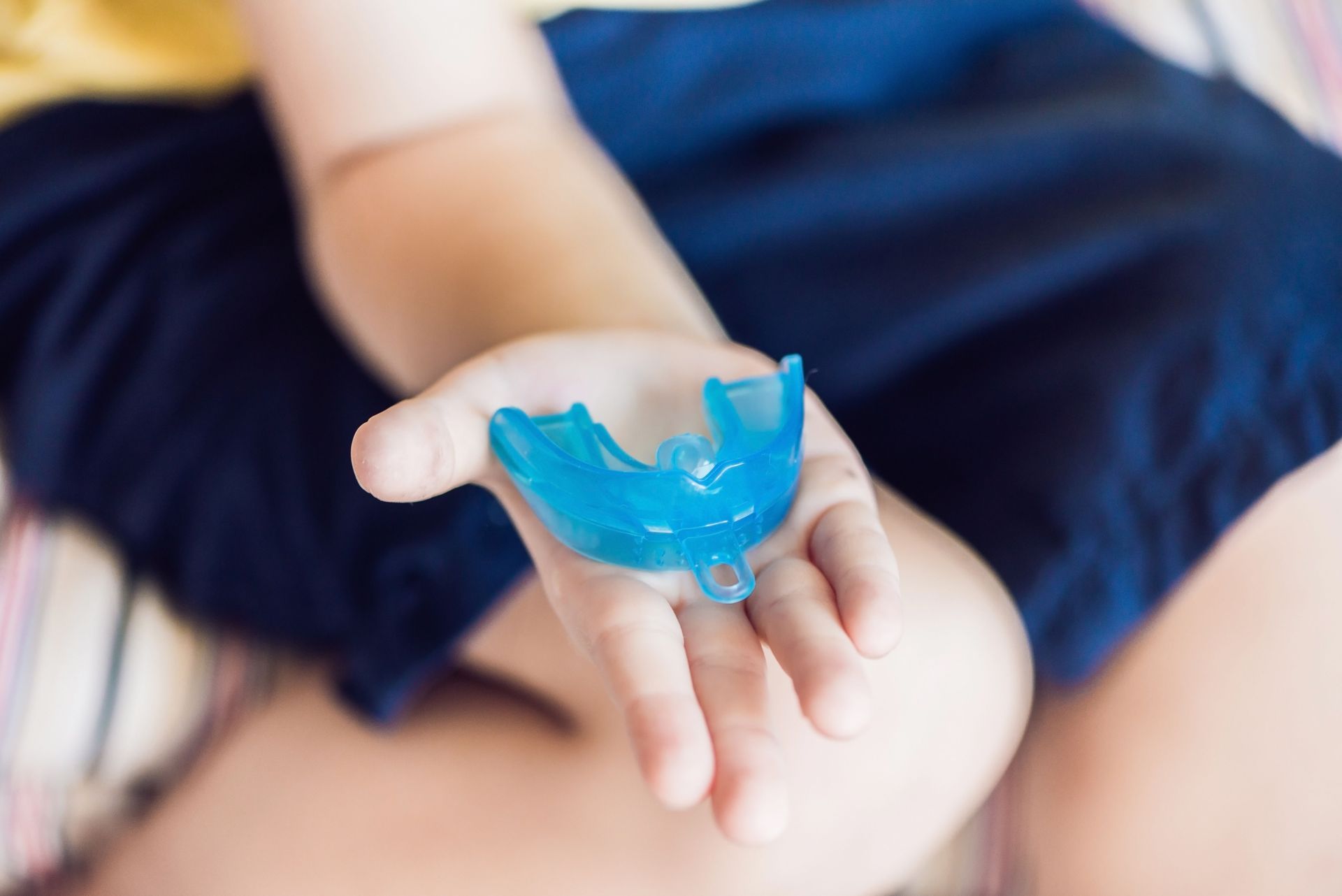
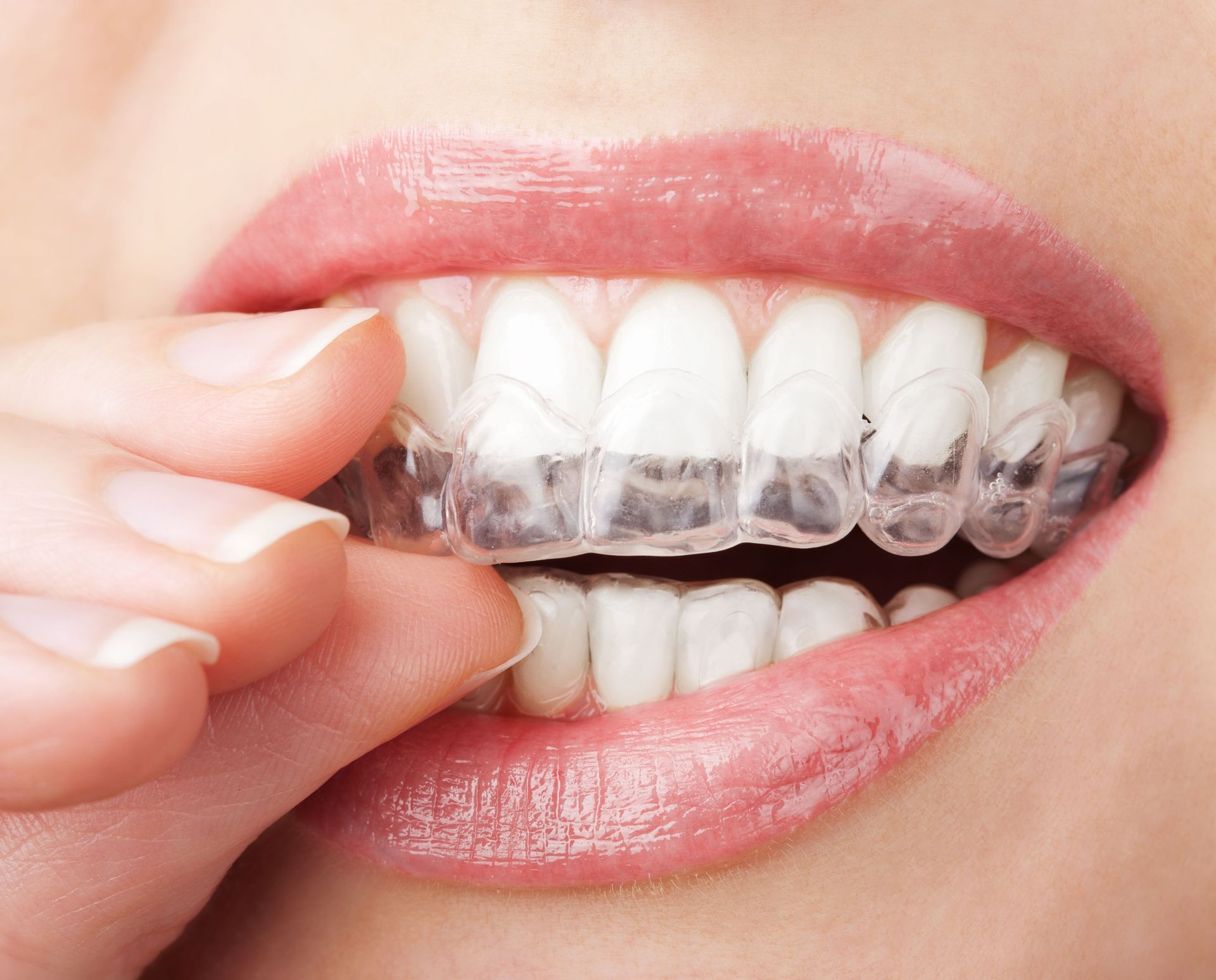
Allowing bruxism to progress without intervention can severely jeopardize your child’s long-term oral alignment. As permanent adult teeth begin to erupt, they rely on the surrounding teeth to act as stable placeholders; if the primary teeth are worn down prematurely, it can cause the adult teeth to shift into improper positions, leading to complex bite misalignments. Furthermore, worn enamel makes teeth highly susceptible to rapid decay and fractures, turning simple dental profiles into complex cases. Catching these structural changes early allows parents to utilize preventative dental accessories, such as a night guard, which acts as a sacrificial barrier to preserve natural tooth structure and save families from costly restorative procedures down the road.
4. Reporting Intense Tooth Sensitivity to Hot or Cold
A sudden, unexpected aversion to everyday foods and beverages is a major red flag that should never be ignored. If your child suddenly winces, cries out, or refuses to drink ice water, eat ice cream, or enjoy warm soup, their teeth may be experiencing severe thermal sensitivity. This reaction occurs because the continuous, heavy pressure of nocturnal grinding creates microscopic fractures within the tooth structure. These micro-fractures, combined with the thinning of the enamel layer, directly expose the highly sensitive inner nerves of the teeth to extreme temperature shifts, causing a sharp, shooting pain.
Chronic tooth sensitivity can quickly take an emotional toll on a child, making them highly anxious around mealtime or resistant to maintaining daily oral hygiene because brushing triggers discomfort. No child should have to navigate their day fearing the temperature of their food. Framing the introduction of therapeutic dental accessories as a helpful tool rather than a punishment can completely reframe the experience for them. A custom night guard effectively seals and protects the teeth from nighttime friction, giving the bruised dental nerves a chance to heal, eliminating daytime sensitivity, and restoring your child's peace of mind during meals.
5. Struggling With Frequent Daytime Fatigue and Irritability
Not all warning signs of bruxism are confined to the mouth; some of the most profound indicators manifest in a child's daytime behavior, energy levels, and emotional stability. If your child is consistently getting eight to ten hours of sleep but still wakes up groggy, struggles to focus at school, or exhibits uncharacteristic daytime irritability, their sleep quality is likely being compromised. Bruxism is closely linked to micro-arousals—brief disturbances where the brain shifts from a deep, restorative sleep state into a lighter sleep stage due to the physical exertion of clenching the jaw.
Once a dentist identifies sleep disruption and diagnoses bruxism, the next challenge is ensuring the child actually utilizes their treatment. According to the National Library of Medicine, 29% of children who were given a mouth guard never wore it, highlighting compliance as a major hurdle for parents. Because children can be resistant to wearing foreign objects in their mouths overnight, choosing high-quality, comfortable dental accessories that are custom-molded to their unique bite is essential to beating that 29% non-compliance statistic.
As a parent, staying vigilant against the hidden signs of nighttime teeth grinding is essential for protecting your child's long-term well-being. By keeping an eye out for loud scraping noises, morning jaw pain, visible enamel wear, sudden temperature sensitivity, and unexplained daytime fatigue, you can catch bruxism before it alters your child's beautiful smile. Utilizing the proper professional dental accessories under the guidance of a pediatric dentist will safeguard their teeth and dramatically improve their quality of night's rest.
Don't let nighttime teeth grinding quietly compromise your child's comfort, sleep quality, and beautiful developing smile. Schedule a comprehensive pediatric evaluation with Children's Dental FunZone today to see if a custom night guard is the right choice for your little one. Our gentle, expert team is dedicated to providing tailored solutions that keep your child sleeping soundly and smiling brightly for years to come.