What Parents Should Know About Caring for Braces
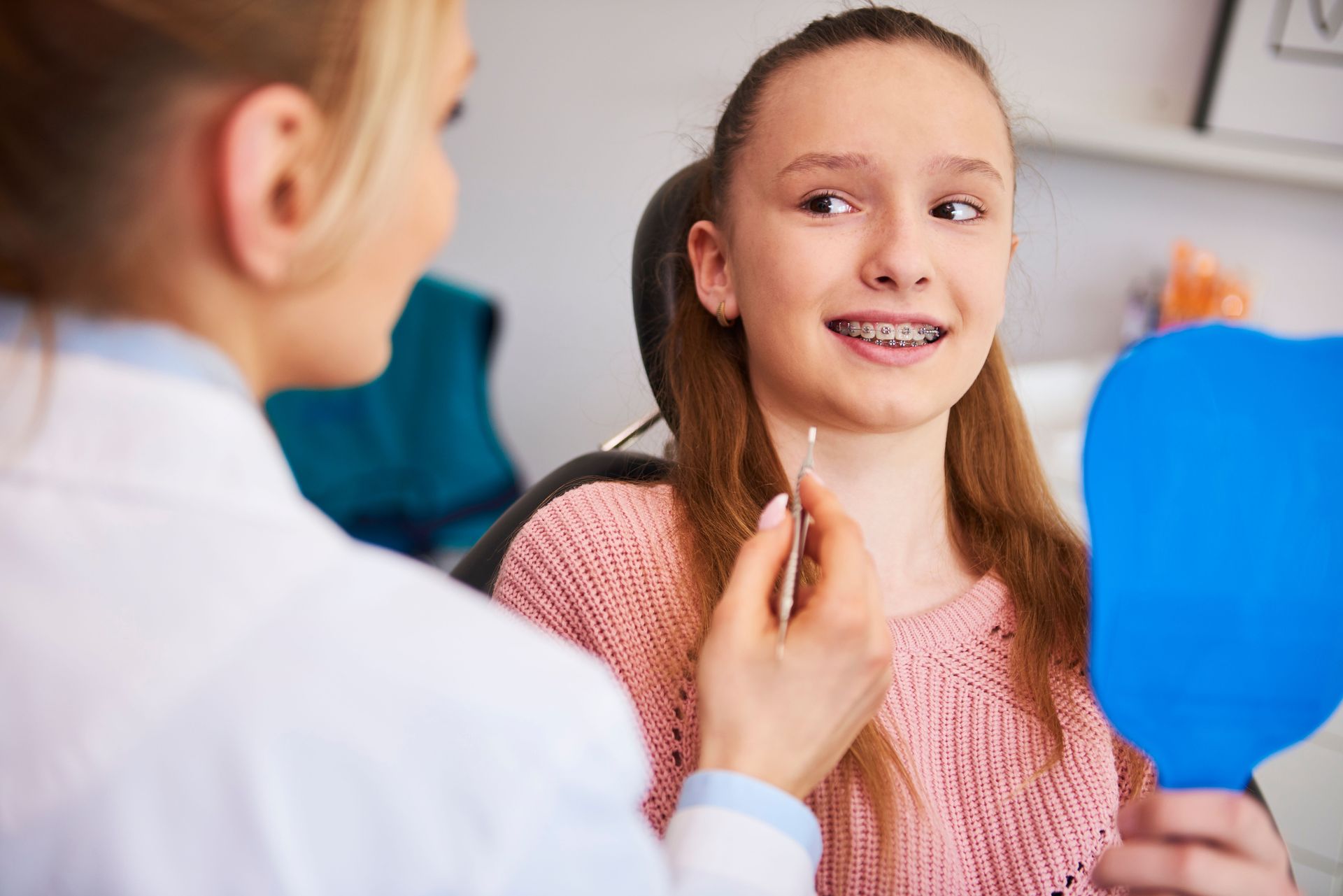
Getting braces is an exciting step toward a straighter, healthier smile, and parents play a critical role in making sure that investment pays off fully over the course of treatment. The habits established in the first few weeks after braces are placed set the tone for how well the teeth and gums hold up throughout the entire treatment period. Many of the most common problems that extend treatment timelines or compromise results are preventable with the right daily habits and the right professional support from a team that genuinely understands pediatric and orthodontic care together. This guide covers what every parent should understand about helping their child succeed with braces from the very first day of treatment.
Understanding Why Oral Hygiene Becomes More Important With Braces
According to Forbes, nearly 11% of children between the ages of two and five have untreated cavities, which reflects how prevalent dental health challenges are among young patients, even before orthodontic appliances add additional complexity to their daily oral hygiene routine. Caring for braces requires a significantly higher level of daily attention to brushing and flossing than what most children practiced before their brackets and wires were placed, because the hardware creates additional surfaces where food particles and bacteria accumulate throughout the day. Parents who understand this increased responsibility from the beginning are better positioned to help their children develop and maintain the consistent hygiene habits that protect their teeth and gums throughout the full duration of treatment without the white spot lesions, cavities, and gum problems that poor hygiene during orthodontic treatment so frequently produces.
Building a Daily Brushing Routine Around the Hardware
Brushing with braces requires more time, more attention, and more deliberate technique than standard brushing because the brackets and wires create obstacles that a quickly administered brush will miss entirely, leaving plaque to accumulate around and beneath the hardware where it is most likely to cause permanent enamel damage. Caring for braces means brushing after every meal rather than just twice a day, because food trapped against the teeth and brackets throughout the day creates the acidic environment that leads to the decay and demineralization that orthodontic patients are uniquely susceptible to during active treatment. A soft-bristled brush angled carefully along the gumline and around each bracket on both the upper and lower tooth surfaces gives parents a practical framework to teach their child until the technique becomes natural enough to be performed without supervision at each brushing session throughout the day.
Making Flossing Practical With Orthodontic-Friendly Tools
Standard flossing becomes significantly more challenging once braces are in place because the wire threading through each bracket creates a physical barrier that regular floss cannot pass through in the conventional threading-down method that children typically use without braces. Caring for braces with consistent flossing requires the use of orthodontic floss threaders, floss picks designed for braces, or a water flosser that uses a pressurized stream of water to flush debris and bacteria from between teeth and around brackets where traditional floss cannot easily reach during a daily routine. Parents who invest in the right tools and take the time to demonstrate the correct technique for their child are far more likely to see consistent flossing compliance than those who simply instruct the child to floss without providing the specific tools and guidance that make the task achievable with braces in place.
Navigating Food Restrictions to Protect the Appliance
One of the most consistently overlooked aspects of orthodontic care is the impact that dietary choices have on the integrity of the brackets, bands, and wires that must remain firmly in place throughout the treatment period to apply the correct forces to the teeth at each stage of the alignment process. Caring for braces means avoiding hard, crunchy, sticky, and chewy foods that can bend wires, dislodge brackets, and loosen bands in ways that require an unplanned emergency appointment that interrupts the treatment schedule and potentially extends the overall timeline before the braces can be removed. Parents who actively support their child's dietary compliance by keeping appropriate snacks available, explaining why the restrictions matter, and modeling thoughtful food choices themselves create an environment where the child is more likely to follow the guidelines consistently rather than making careless choices that damage the appliance throughout the treatment period.
Protecting Teeth and Braces During Sports and Physical Activity
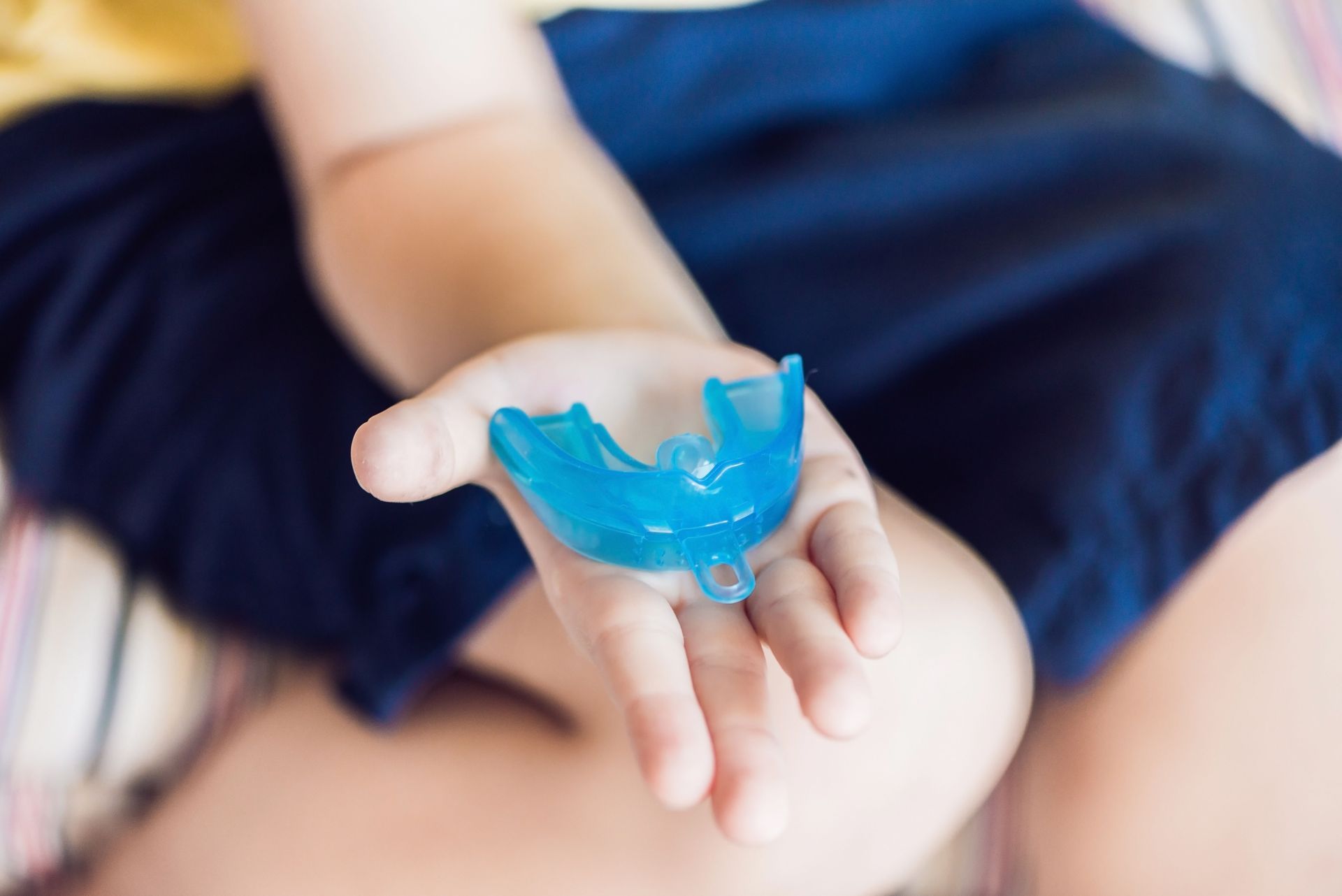
Active children who play contact or collision sports while wearing braces face an elevated risk of oral injury because a blow to the mouth can drive the brackets into the lips and cheeks and can also dislodge the appliance in ways that create immediate pain and require urgent professional attention to repair. Caring for braces during sports participation means wearing a custom or orthodontic-compatible mouth guard that provides adequate protection for both the soft tissues of the mouth and the hardware of the braces without interfering with breathing and communication during athletic activity. Parents should confirm with the orthodontic team which type of mouth guard is appropriate for their child's specific appliance and activity level before the first practice or game of the season, rather than waiting until an injury has already occurred and the appliance has been damaged.
Recognizing When to Contact the Orthodontic Team Between Appointments
Most orthodontic problems can be identified and addressed during scheduled appointments, but certain situations require parents to contact the care team between visits rather than waiting for the next scheduled check to address a development that is affecting the child's comfort or the progress of the treatment. Caring for braces means knowing the signs that warrant a call to the office — including a poking wire, a loose or dislodged bracket, significant discomfort that does not resolve within a day or two of an adjustment, or any visible damage to the appliance that the parent cannot clearly assess on their own from a visual inspection. A practice that offers emergency dental care and responds promptly to parent inquiries gives families the support they need to address unexpected situations quickly and confidently, rather than allowing a problem to persist while waiting for the next available regular appointment on the schedule.
Pairing Orthodontic Care With Preventive Dental Visits
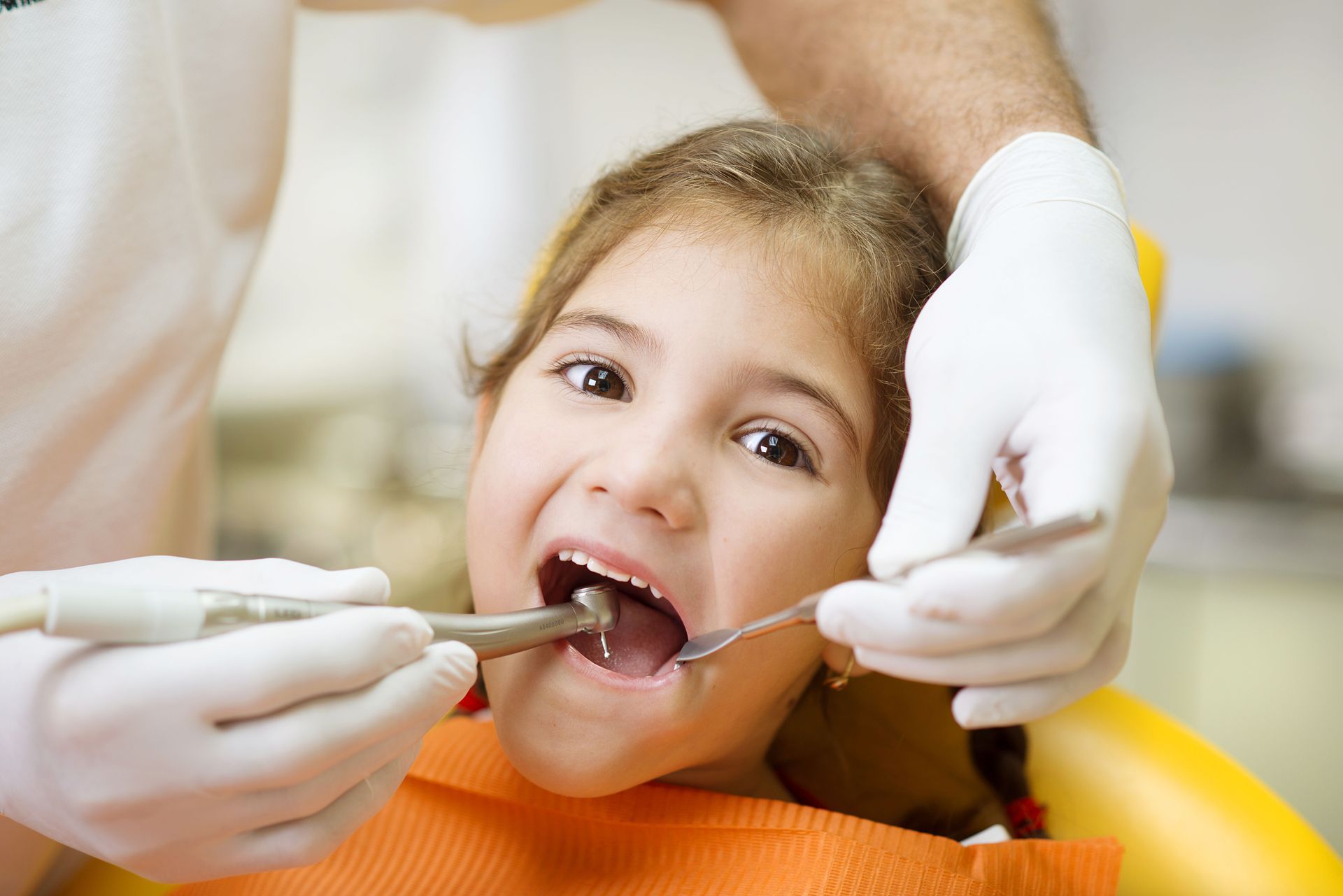
Orthodontic treatment and routine preventive dental care work best when they are pursued together rather than treated as separate and unrelated priorities, because the conditions that braces create in the mouth make the professional cleaning and cavity detection that regular dental visits provide even more important than they are for children without orthodontic appliances. Caring for braces throughout a long treatment period requires the support of dental cleanings and exams at appropriate intervals that allow a professional to remove the calcified deposits that home brushing cannot fully address and to identify any early signs of decay or gum disease before they become more significant clinical concerns. Fluoride treatments provided during these visits give the enamel an additional layer of protection that is particularly valuable during active orthodontic treatment when the teeth are more vulnerable to the acid attacks that occur when hygiene is less than perfect on a given day.
Supporting your child through orthodontic treatment is a shared journey between the family and the clinical team, and the daily habits established at home are just as important as the professional care delivered at each appointment. From consistent brushing and flossing routines to dietary awareness, sports protection, and emotional encouragement, every dimension of at-home support contributes to an outcome the whole family can feel proud of. Children's Dental FunZone has proudly served families throughout Southern California since 2001 with pediatric and orthodontic care. The practice offers preventative care, dental cleanings and exams, restorative treatments, fluoride treatments, cosmetic services, and emergency dental care. Orthodontic services include planning and consultations, braces and aligners, appliances, bite and alignment treatments. All services are backed by over 23 years of experience, free consultations, walk-ins welcome, most insurance accepted, same-day emergency services, online booking, and multiple Southern California locations. For more information, contact us today!