Is Invisalign a Good Choice for Your High Schooler?
Choosing an orthodontic treatment for a teenager can feel like a major decision. High school students are balancing classes, sports, clubs, social events, photos, and growing independence, so families often want an option that fits comfortably into a busy routine. Invisalign Teen may appeal to students who want a less noticeable way to straighten their teeth, but appearance is only one part of the decision. Parents also need to consider responsibility, oral hygiene, treatment goals, cost, and the guidance of a dental professional.
Every teenager has different needs, which means no single treatment is right for everyone. Some students are excellent candidates for clear aligners, while others may benefit more from traditional orthodontic options. Careful braces planning can help families compare choices, understand expectations, and decide whether Invisalign Teen is practical for their high schooler. Looking at how the treatment works and what daily life involves can make the decision easier and more informed.
Understanding How Invisalign Teen Works
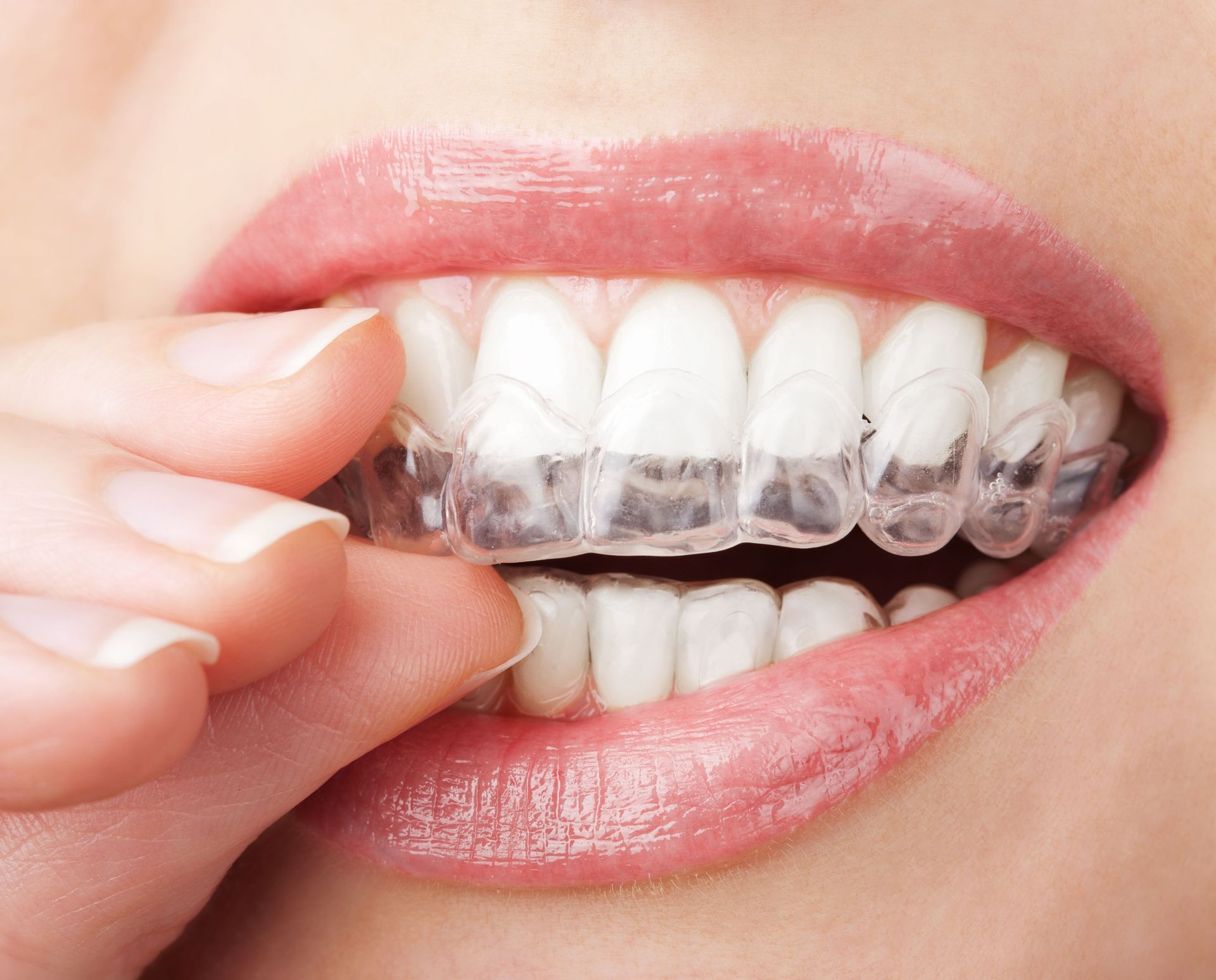
Invisalign Teen uses a series of clear, removable aligners that gradually guide teeth into new positions. Each aligner is custom-made to fit the patient’s mouth and is typically worn for most of the day and night. The trays are changed according to a schedule provided by the dental or orthodontic team. Because the aligners are nearly transparent, they are less noticeable than metal brackets and wires, which can be appealing to image-conscious teenagers.
The treatment process begins with an evaluation, digital scans or impressions, and a customized plan. The provider reviews tooth position, bite alignment, jaw development, and other factors before deciding whether clear aligners are appropriate. During braces planning, families can ask how long treatment may take, how often appointments are needed, and what results are realistic. Although Invisalign Teen can treat many common alignment concerns, more complex cases may still require a different approach.
Evaluating Your Teen’s Level of Responsibility
Clear aligners require more daily responsibility than fixed braces because the trays can be removed. Most patients need to wear them for approximately 20 to 22 hours per day, taking them out only for eating, drinking anything other than water, brushing, and flossing. A teenager who frequently forgets the aligners, leaves them in a lunchroom, or chooses not to wear them may experience slower progress or less predictable results.
Parents should think honestly about their high schooler’s habits. A student who keeps track of assignments, follows routines, and takes care of personal belongings may adapt well to an aligner treatment. A teen who regularly loses items or struggles with consistent habits may need extra support. Braces planning should include a clear family agreement about wear time, cleaning, storage, and follow-up appointments so everyone understands the responsibility involved.
Considering Comfort and Daily Convenience
Many teenagers find clear aligners comfortable because they do not have metal brackets that can rub against the cheeks or lips. There may still be pressure or mild soreness when a new set of trays is introduced, but this usually improves as the mouth adjusts. Since there are no wires to tighten, routine visits may feel simpler, and there is less risk of dealing with a loose bracket before an important school event.
Removability can also make meals easier. Teens can eat popcorn, crunchy vegetables, chewy foods, and other favorites after removing the trays, as long as they clean their teeth before putting the aligners back in. However, the need to remove and replace trays can be inconvenient during a short lunch period or a busy sports schedule. Families should discuss these practical details during braces planning to determine whether the routine will work on typical school days.
Supporting Strong Oral Hygiene Habits
Good oral hygiene is important during any orthodontic treatment. According to the Centers for Disease Control, over half of adolescents aged 12 through 19 have developed a cavity in one or more permanent teeth. Clear aligners may make brushing and flossing easier because they can be removed, allowing teens to clean their teeth without working around brackets and wires. This can be an advantage for students who are already committed to daily care.
At the same time, aligners can trap food particles, sugar, and bacteria against the teeth if they are replaced before brushing. Teens should rinse or clean the trays as directed and avoid using hot water, which may affect their shape. They should also avoid sipping sugary or acidic drinks while wearing them. Effective braces planning includes a realistic hygiene routine for mornings, school lunches, after-school activities, and bedtime to help protect the teeth throughout treatment.
Balancing School Activities and Social Confidence
High school students often participate in presentations, performances, dances, yearbook photos, and other events where they may feel self-conscious about their appearance. The discreet look of Invisalign Teen can help some students feel more confident while their teeth are being straightened. The aligners may be especially appealing to teens who are concerned about photographs or who prefer not to draw attention to orthodontic treatment.
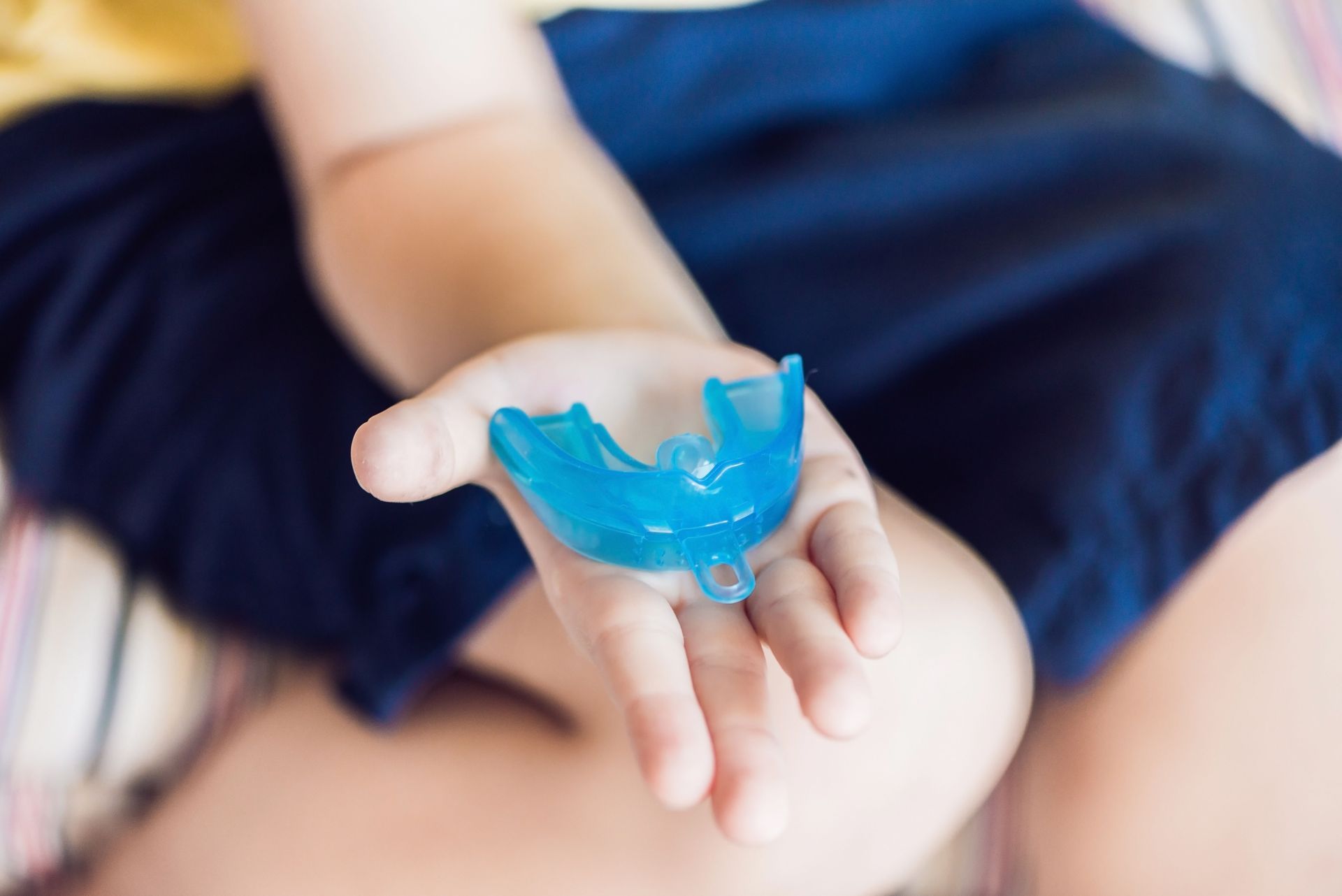
Clear aligners can also work well for many extracurricular activities. Students who play wind instruments may need a brief adjustment period, while athletes should follow professional guidance about removing aligners and using an appropriate mouthguard. Speech may sound slightly different during the first few days, but most patients adapt with practice. Discussing school activities during braces planning allows the provider to offer advice that fits the teen’s schedule and interests.
Comparing Treatment Costs and Long-Term Value
The cost of Invisalign Teen varies based on the complexity of the case, treatment length, location, and provider. In some situations, the price may be similar to traditional braces, while in others it may be higher. Dental insurance may cover part of the cost if orthodontic benefits are included. Families should request a detailed estimate and ask about payment plans, retainers, replacement trays, and any services included in the quoted fee.
Value should not be measured by price alone. A treatment that fits a teenager’s needs and encourages consistent participation may be worthwhile, but only if the student is likely to follow instructions. Lost aligners, skipped wear time, or poor cleaning habits can add stress and possibly extend the process. Thoughtful preparation helps families compare financial considerations with convenience, comfort, expected results, and the support available from the treatment team.
Reviewing Candidacy With a Dental Professional
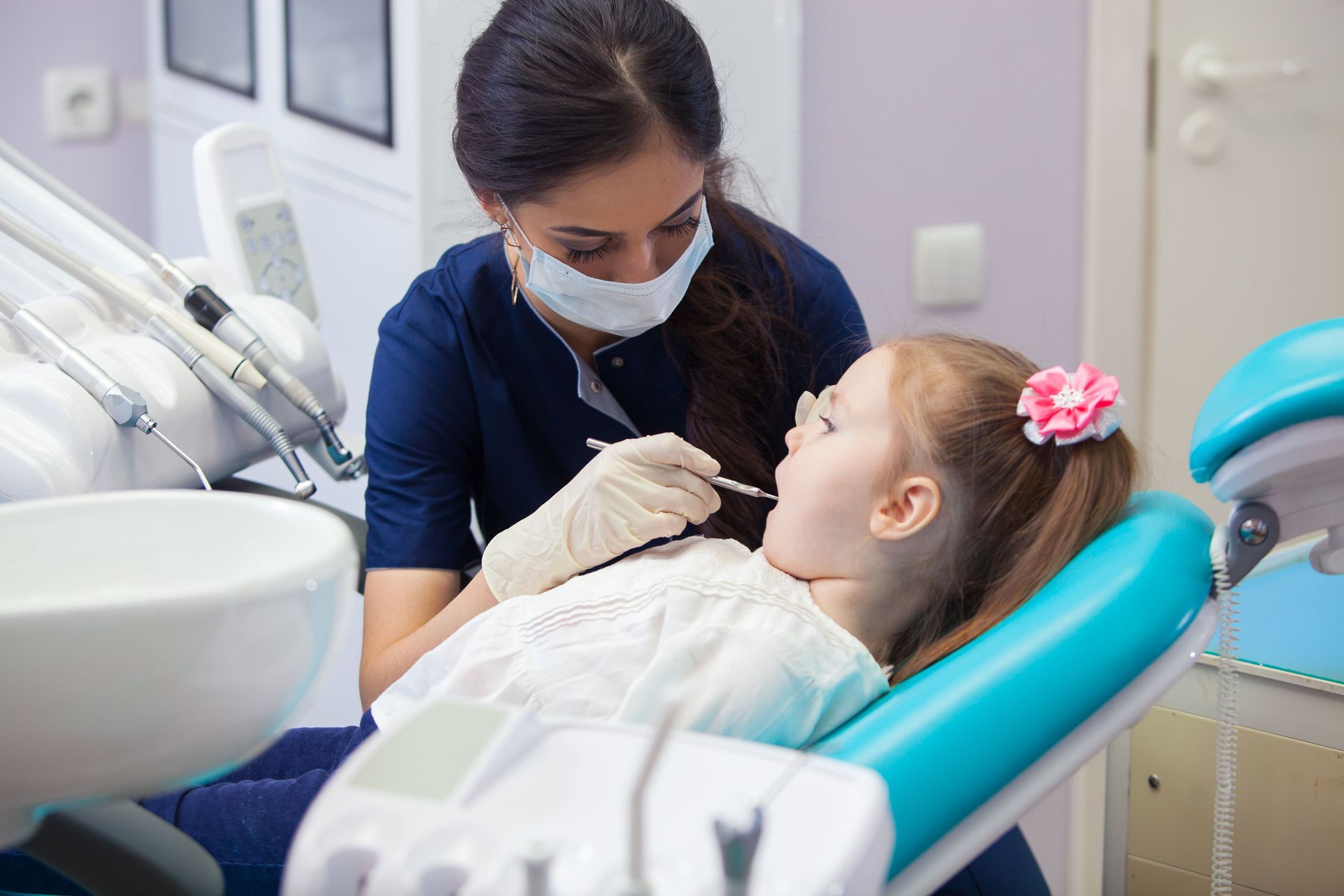
A professional evaluation is the best way to determine whether Invisalign Teen is suitable. The provider will assess crowding, spacing, bite problems, tooth eruption, jaw growth, and overall oral health. Cavities, gum inflammation, or other dental concerns may need to be addressed before orthodontic treatment begins. The dentist can also explain whether aligners can achieve the desired movement or whether fixed braces would provide better control.
Parents and teens should use the consultation to ask direct questions about treatment length, appointments, attachments, refinements, retainers, and expected discomfort. It is also helpful to discuss what happens if the student loses a tray or falls behind on wear time. A clear understanding of these details can prevent surprises. The final decision should reflect the teen’s clinical needs, maturity, lifestyle, and willingness to take an active role in treatment.
Invisalign Teen can be a good choice for a high schooler who wants a discreet orthodontic option and is prepared to wear, clean, and protect the aligners consistently. It can offer flexibility for meals, activities, oral hygiene, and important social moments, but success depends heavily on cooperation and professional guidance. Families should compare all available options, review costs, and consider whether the daily routine matches their teen’s habits as part of effective braces planning. For personalized advice and help choosing the right approach, contact Children's Dental FunZone.